The art
Stage magic, kind by kind
Grand illusion, close-up, mentalism and escapes: the kinds of stage magic explained in plain terms, from Robert-Houdin's Paris theatre to Houdini's chains.
Book the magic show ↗Quick answer
Stage magic is a family of related arts. Grand illusions use large props and assistants for a whole theatre; close-up magic happens within reach of the audience with cards and coins; mentalism imitates mind-reading; escapology gets the performer out of locks and restraints. Most evening shows mix several, which is why a ninety-minute programme can change pace so often.
Not one art but several
In Wikipedia's definition, magic is a performing art: the audience watches feats that look impossible but are done by natural means, which sets it apart from any claim of supernatural power. Within the art, performers talk in genres. Stage illusions are built for large audiences in a theatre. Parlour magic is done standing, at the audience's level, for a mid-sized room. Close-up magic happens with the audience near enough to touch. An evening show in a large theatre, like the one near Clifton Hill, borrows from several of these at once.
Grand illusions
Wikipedia picks out big props and assistants as the marks of a stage illusion, along with, in the past, large animals. These are the cabinets, platforms and floating bodies that read from the back row. Many of the principles are old. Pepper's ghost, a stage illusion first used in 19th-century London, needed a theatre built around it, and Wikipedia notes that mirrors are seldom used today because of the installation work and transport they demand. Modern illusion shows lean on lighting, staging and assistants instead.
Close-up and sleight of hand
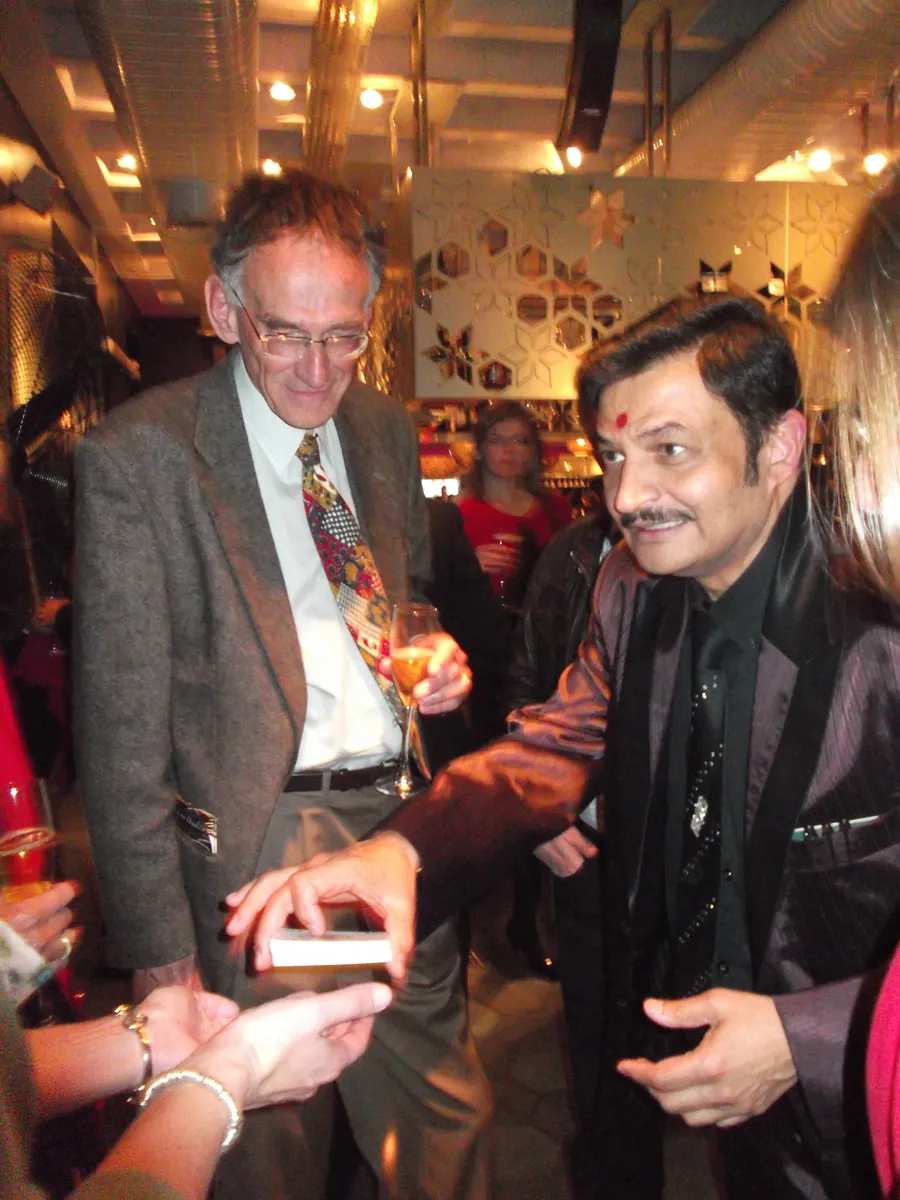
Close-up magic, also called table magic, uses everyday objects such as cards and coins, and Wikipedia describes it as performed with the audience close to the magician, sometimes one-on-one. It rests on sleight of hand, also called prestidigitation or legerdemain: fine motor skills practised until a hidden move looks like an ordinary gesture. In a big theatre, close-up work is often relayed by bringing volunteers on stage. This is the part of a show where sitting near the front pays off.
The effects magicians name
Magicians sort effects by what the audience appears to see, though Wikipedia notes that they disagree about the boundaries. The commonly named ones include:
- Production and vanish: something appears, or disappears
- Transformation and restoration: something changes, or is broken and made whole
- Teleportation and transposition: things move or swap places
- Levitation and penetration: things float, or pass through solids
- Prediction and escape: an outcome foretold, a performer freed
Mentalism
Mentalists appear to read minds, predict choices or show unusual mental powers. Wikipedia says the effects are produced by ordinary conjuring means, natural human abilities such as reading body language, and an understanding of psychology. It is usually classed as a branch of magic, though many mentalists prefer to set themselves apart from magicians. Wikipedia also records the view of Penn and Teller that a mentalist is a skilled entertainer who gets there through practice, while a psychic claims supernatural powers.
Escapes, and a Niagara footnote
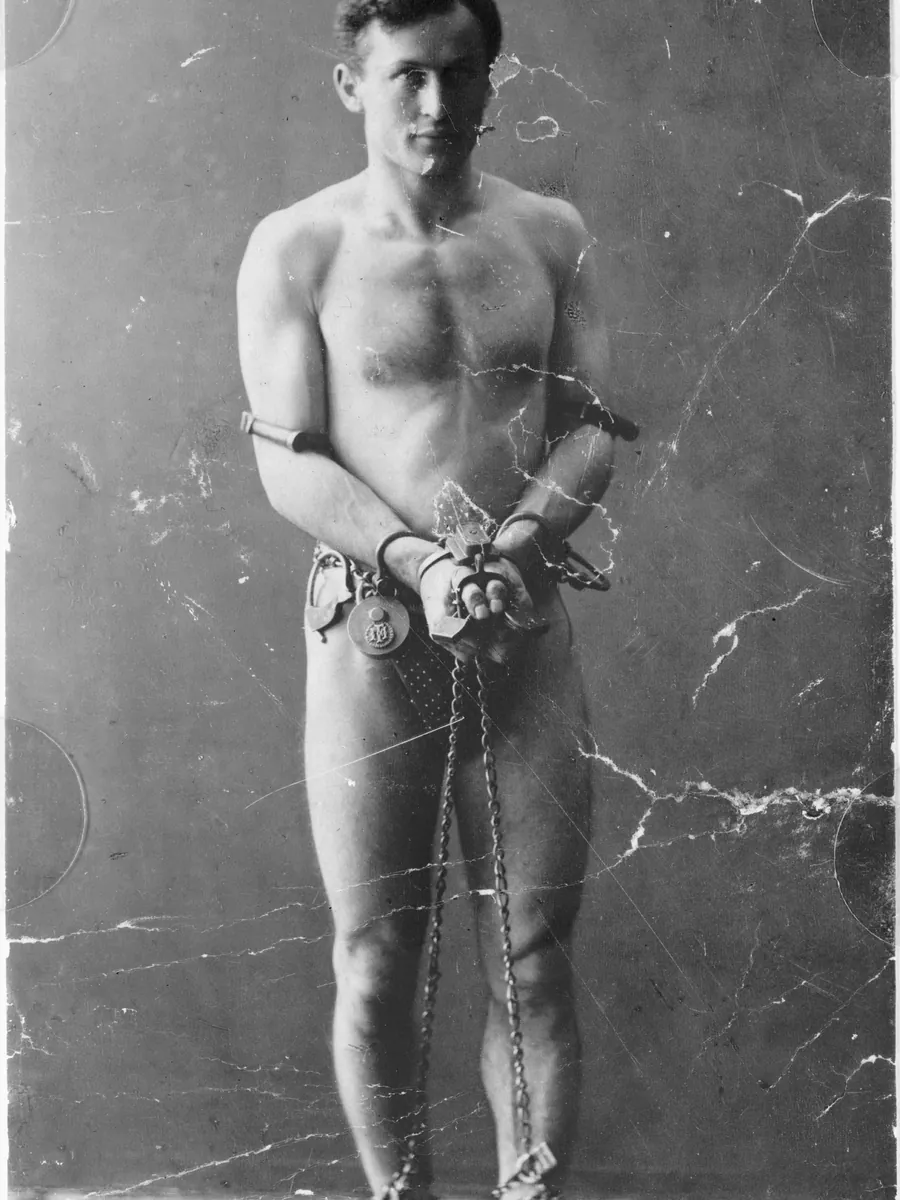
Escapology is the practice of escaping from restraints and traps: handcuffs, straitjackets, cages, boxes and tanks. Harry Houdini (1874 to 1926) is the name everyone knows, and Wikipedia says he took his stage name from the French magician Jean Eugène Robert-Houdin. Niagara Falls has its own link to him. Wikipedia records that pieces from Houdini's collection, including his water torture cell, were displayed at the Houdini Hall of Fame museum in Niagara Falls, Ontario, until a fire destroyed the museum in 1995. The cell's metal frame survived and was later restored.
How magic reached the theatre
Wikipedia calls Robert-Houdin the father of modern entertainment magic. A clockmaker by trade, he opened a magic theatre in Paris in 1845 and moved the art from fairgrounds to a stage that the public paid to see. By the century's end, big magic shows had settled into permanent theatre homes, and in London Maskelyne and Cooke ran their show at the Egyptian Hall for 31 years. A ninety-minute show in a purpose-built theatre near Clifton Hill belongs to that tradition.
Sources